Cardiac Arrest: Why the First 5 Minutes Could Save a Life

Would you know what to do if someone suddenly collapsed in front of you?
Imagine you're at work, going about your normal day, when a colleague suddenly collapses. They're unresponsive and don't appear to be breathing normally. What would you do next?
It's a situation none of us ever wants to face, but knowing how to respond could mean the difference between life and death.
When someone experiences a cardiac arrest, every second counts. Recognising the signs, calling for help and taking immediate action can significantly improve their chances of survival.
At Champion Training Solutions, we believe that first aid is one of the most valuable skills anyone can learn. Whether you're working on a construction site, in an office, a warehouse or any other workplace, having the confidence to act in an emergency could help save someone's life.
What Is a Cardiac Arrest?
A cardiac arrest occurs when the heart suddenly stops pumping blood effectively around the body. This means vital organs, including the brain, are deprived of the oxygen they need to function.
Unlike a heart attack, which happens when blood flow to part of the heart muscle is blocked, a cardiac arrest causes the heart to stop pumping blood effectively. A heart attack can sometimes trigger a cardiac arrest.
Someone experiencing a cardiac arrest will typically:
- Suddenly collapse or become unresponsive.
- Stop breathing normally or make occasional gasping sounds.
- Require immediate emergency assistance.
Without prompt intervention, a cardiac arrest can be fatal within minutes.
The good news is that early CPR and the use of a defibrillator can significantly improve a person's chances of survival.
The First 5 Minutes: What Should You Do?
If someone suffers a cardiac arrest, knowing what to do in those first critical minutes is essential.
Here are five important steps everyone should know.
1. Check for Danger and a Response
Before approaching someone who has collapsed, quickly assess the surrounding area to make sure it's safe.
Once it's safe to approach, check whether the person is responsive.
Speak loudly to them and gently shake their shoulders, asking something like, "Can you hear me?"
If they don't respond, you need to act immediately.
2. Check Their Breathing
If the person is unresponsive, open their airway by gently tilting their head back and lifting their chin.
Look, listen and feel for normal breathing for no more than 10 seconds.
It's important to remember that gasping is not normal breathing. Someone experiencing a cardiac arrest may make occasional gasping or snorting sounds, which can easily be mistaken for normal breathing.
If the person is unresponsive and isn't breathing normally, assume cardiac arrest and act immediately.

3. Call 999 Immediately
Call 999 and request an ambulance.
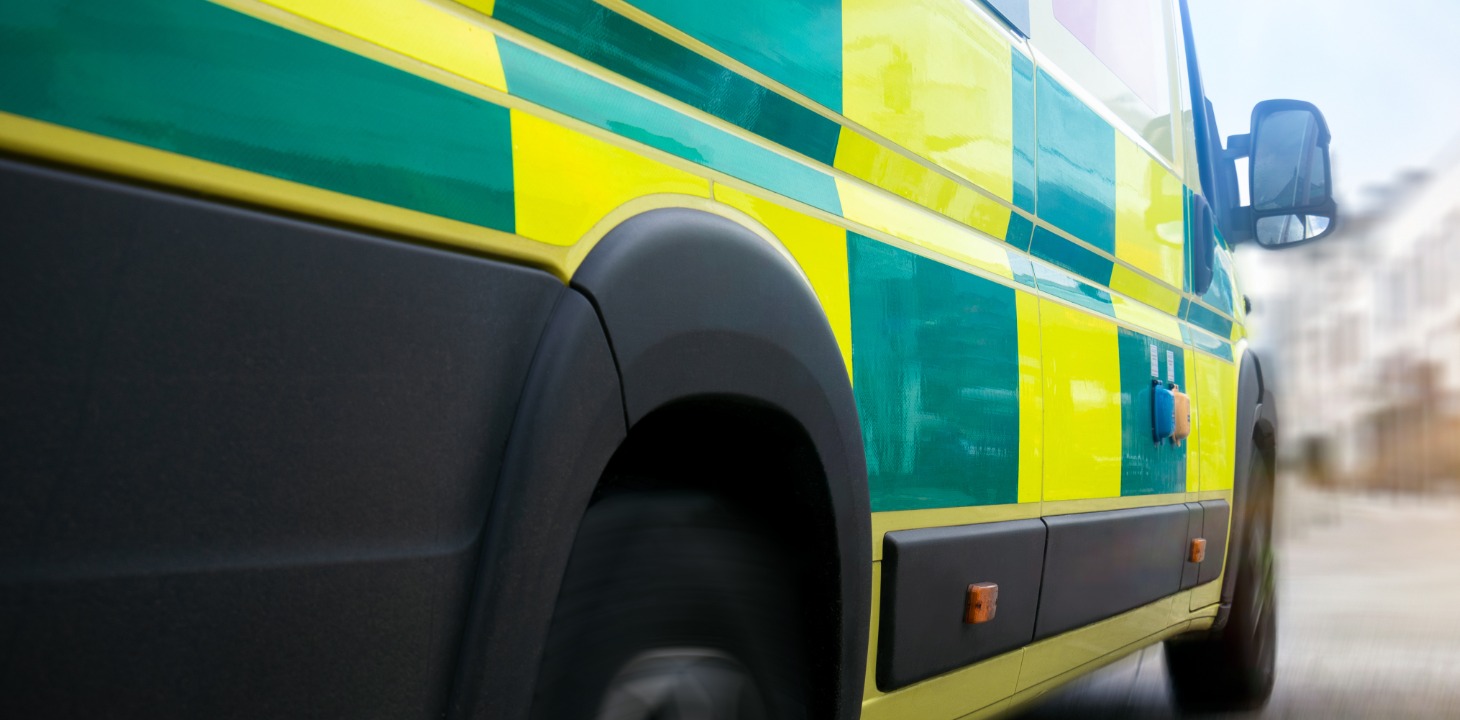
If other people are nearby, ask someone to make the call and another person to locate the nearest automated external defibrillator (AED).
If you're alone, call 999 on your mobile phone, put it on speaker and follow the emergency call handler's instructions.
The call handler can guide you through CPR while emergency services are on their way.
Don't delay CPR while waiting for help to arrive.
4. Start CPR
Cardiopulmonary resuscitation (CPR) is one of the most important actions you can take when someone experiences a cardiac arrest.
CPR helps maintain blood flow to the brain and other vital organs until professional medical assistance arrives.
For an adult:
- Place the heel of one hand in the centre of their chest, with your other hand on top.
- Keep your arms straight and press down firmly.
- Aim for a compression depth of approximately 5–6cm.
- Deliver compressions at a rate of 100–120 per minute.
- Allow the chest to fully recoil between compressions.
If you're trained and willing to give rescue breaths, provide 30 chest compressions followed by two rescue breaths.
If you're not trained or don't feel confident giving rescue breaths, continue with hands-only CPR.
Keep going until emergency services take over, the person shows clear signs of life, or you are physically unable to continue.
5. Use a Defibrillator (AED)
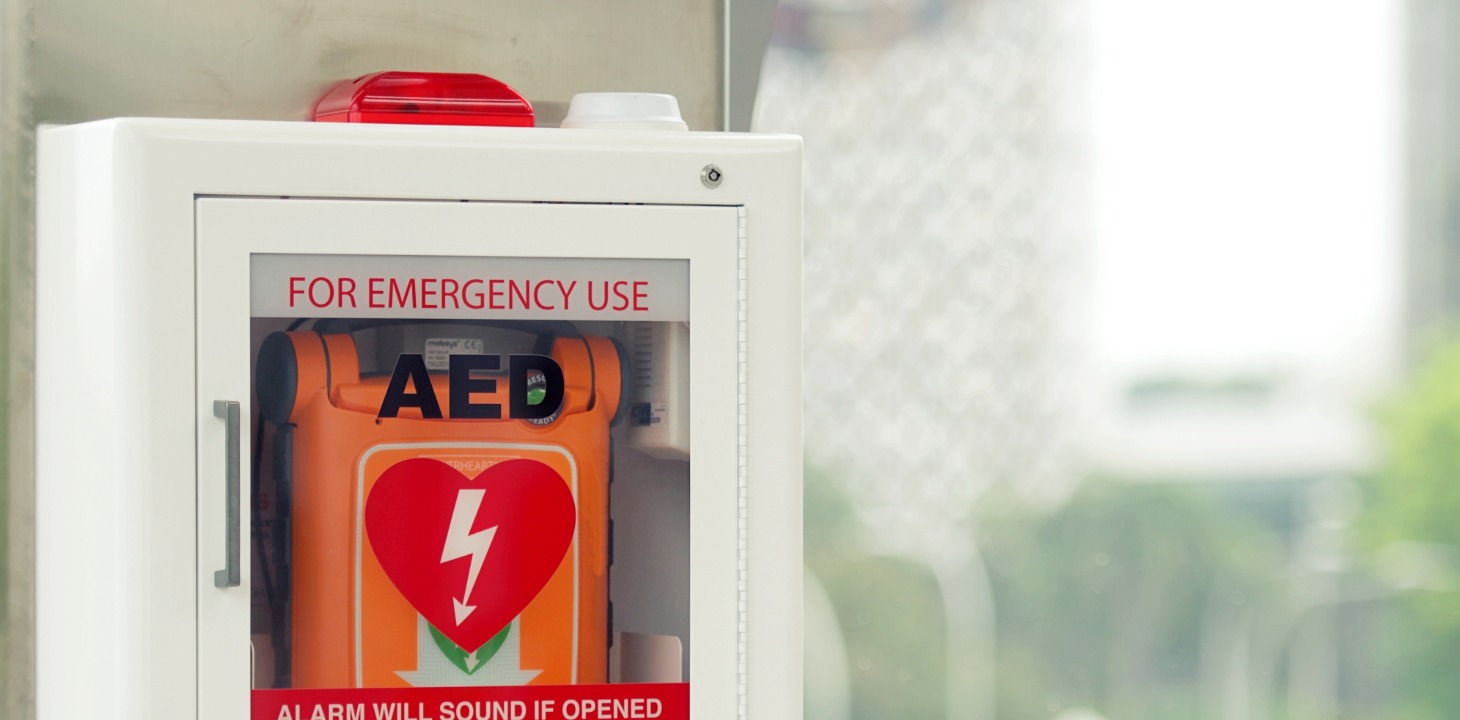
An automated external defibrillator, commonly known as an AED, is a portable device designed to analyse the heart's rhythm and deliver an electrical shock if needed.
You may have seen AEDs in workplaces, shopping centres, leisure facilities and other public spaces.
One of the most important things to understand is that you don't need to be medically trained to use an AED.
Modern defibrillators provide clear voice instructions to guide users through the process.
As soon as an AED is available:
- Switch it on and follow the instructions.
- Attach the electrode pads as shown on the device.
- Make sure nobody is touching the person when the AED analyses their heart rhythm.
- Deliver a shock if instructed to do so.
- Resume CPR immediately when prompted.
Continue following the AED's instructions until emergency services arrive.
Did You Know? Every Minute Matters
When someone experiences a cardiac arrest, their chances of survival decrease rapidly without effective intervention.
Research has shown that the chances of survival can fall by approximately 10% for every minute that passes without CPR and defibrillation.
That's why recognising a cardiac arrest, calling 999, starting CPR and accessing a defibrillator as quickly as possible are so important.
You don't need to wait for a trained first aider to arrive before taking action.
Doing something is better than doing nothing.
Why First Aid Training Matters in the Workplace
Workplace accidents and medical emergencies can happen at any time, often without warning.
While businesses put considerable effort into preventing accidents and creating safer working environments, it's equally important to ensure that employees are prepared to respond when something goes wrong.
First aid training provides much more than an understanding of how to treat minor injuries. It equips individuals with practical skills, knowledge and confidence to respond effectively in potentially life-threatening situations.
For employers, having appropriately trained first aiders can help create a safer, more prepared workplace while supporting their responsibilities under health and safety legislation.
For employees, first aid training provides valuable life skills that extend far beyond the workplace.
The ability to recognise a cardiac arrest, perform CPR and use a defibrillator could one day help save the life of a colleague, friend, family member or complete stranger.
Build Confidence with Champion Training Solutions
At Champion Training Solutions, we're passionate about helping businesses and individuals develop the practical skills they need to respond confidently in an emergency.
From our dedicated training centre in Marsh Barton, Exeter, we deliver practical, engaging first aid training designed to give learners the knowledge and hands-on experience to make a difference when it matters most.
Our first aid training includes essential life-saving skills such as CPR, using an AED, recognising medical emergencies and responding to a range of workplace injuries and incidents.
Whether you're an employer looking to train your workforce or an individual wanting to develop valuable new skills, our team can help you find the right training solution.
Could You Save a Life?
Nobody knows when they might find themselves in a situation where first aid is needed.
But knowing what to do in the first few minutes of a cardiac arrest could make an extraordinary difference.
The question is: would you know how to respond?
Don't wait until an emergency happens to find out.
Get in touch with Champion Training Solutions today to explore our First Aid training courses and help ensure you and your team are prepared when every second counts.
📞 01392 341 229
🌐 www.championtrainingsolutions.co.uk